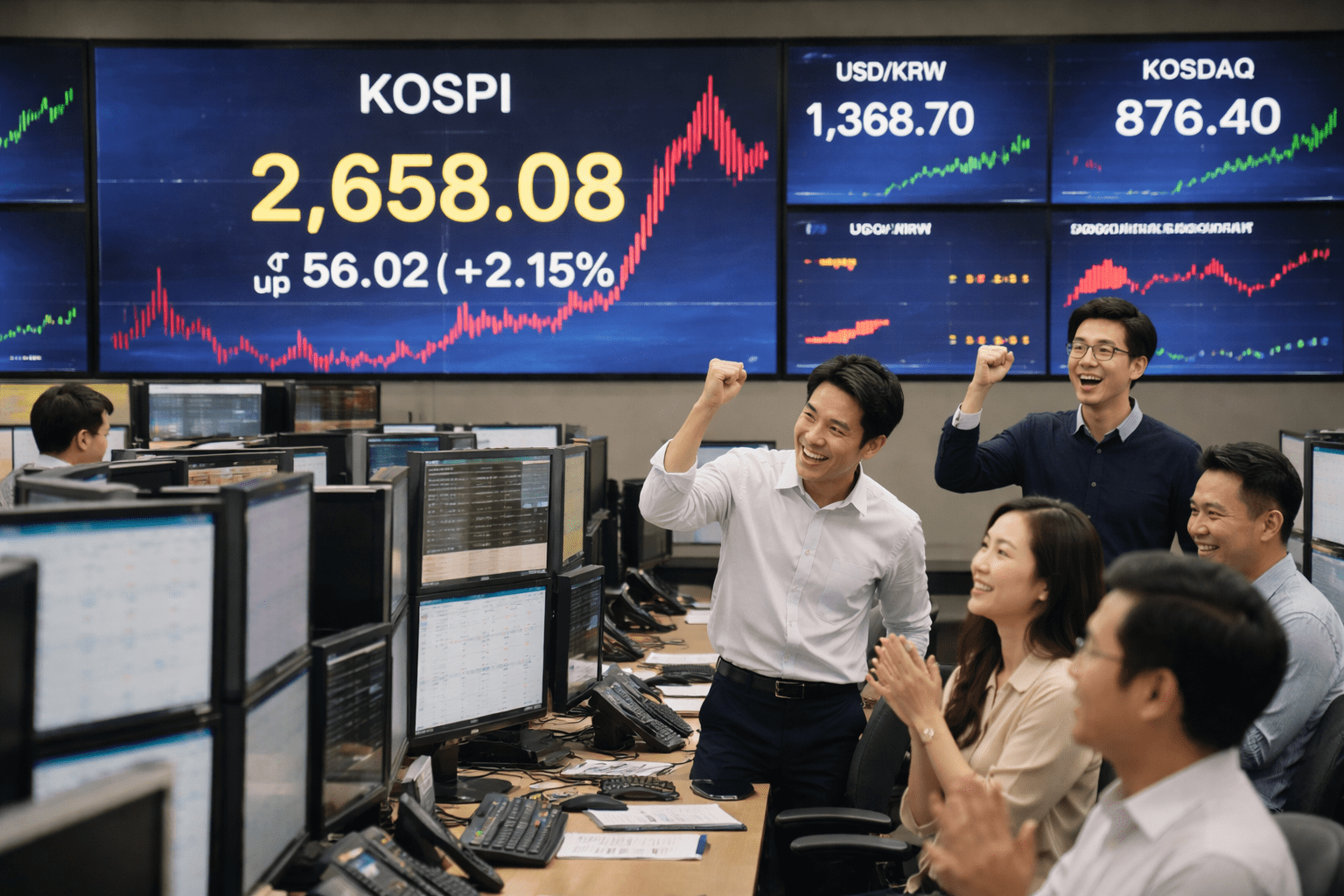

The Kospi Index pulled back by over 1% on Thursday as the recent bull run took a breather, following the South Korean central bank’s interest rate decision. It retreated to KRW 8,133, down slightly from this week’s high of KRW 8,480.
South Korea’s central bank gives a hawkish pause
The Kospi Index retreated, while the South Korean won softened after the country’s central bank delivered its interest rate decision. South Korea’s bond yields also rose, with the ten-year rising to 4.105%.
In a statement, the central bank left interest rates unchanged as analysts widely expected. It left rates intact at 2.50%, meeting what analysts were expecting.
However, the bank delivered a hawkish outlook to its inflation, raising the annual estimate from 2.2% to 2.7%. It also raised the estimate for this year’s growth target to 2.6% from the previous 2.0%. This estimate was mostly because of the first quarter estimate of 1.7%, the fastest in six years.
Therefore, with the economy expected to do well and with inflation expected to remain at an elevated level, analysts expect that the bank may decide to hike interest rates this year. A hike will help to reduce the ongoing South Korean won depreciation.
Economists polled by Reuters expect the bank to hike interest rates in its September meeting. This hawkish outlook explains why the Kospi Index remains under substantial pressure as stocks tend to underperform in high-interest-rate environments.
Rally takes a breather amid US-Iran tensions
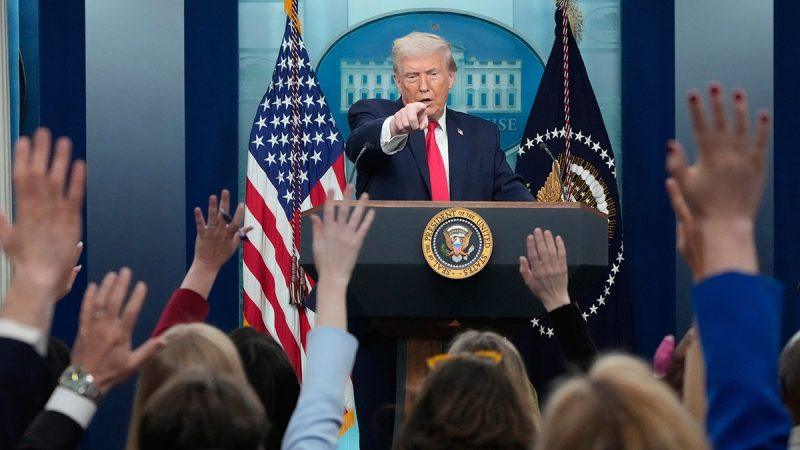
The Kospi Index also retreated as tensions between the US and Iran escalated. In a statement on Wednesday, President Donald Trump said that he was not concerned about the midterm election when making its decision to end or continue the war.
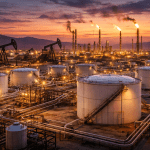
Analysts are concerned that the much-touted agreement was taking long to be achieved. Trump said that he was not satisfied with Iran’s offers for the 60-day ceasefire. This explains why crude oil priceshave remained at an elevated level this week. Brent was stuck at $96, while the West Texas Intermediate (WTI) rose to $90.
South Korea is highly exposed to the ongoing war between the US and Iran because it relies on crude oil imports from countries in the Middle East.
Kospi Index constituents were mixed today. Samsung Electronics stock dropped by 1.47%, while SK Hynix jumped by 1.34%. The two biggest South Korean companies have done well this year and helped lead the charge, with their market capitalization rising to over $1 trillion.
Kospi Index technical analysis
Kospi Composite Index chart | Source: TradingView
The daily chart shows that the Kospi Index has more upside to go this year. That’s because the current pullback was part of the break-and-retest pattern, which is a common bullish continuation. It retested the important support level at KRW 8,048.
The index remains above all moving averages, a sign that bulls have prevailed. If this happens, Kospi may eventually jump to KRW 10,000 this year as the AI boom gains steam.
However, there is also a risk that this era of exuberance will lead to a reversal later this year. If this happens, it may drop to KRW 7,050, its lowest level on May 20th and the neckline of the double-top pattern.
The post Here’s why the Kospi Index rally has taken a breather today appeared first on Invezz